
Precisely the Time when Artists Go to Work
Beyond the shock: Reclaiming our power in the face of oppression
Digging in with Joan Fernandez is a weekly newsletter with ideas on shattering limits to reaching your (and our) true potential, told through bits from the life of Jo van Gogh (the woman who saved Vincent). Please sign up here.

In my biographical historical novel of Jo van Gogh there is a period of time—years, actually— when she retreats from aggressively marketing her under-appreciated brother-in-law Vincent’s artwork. Her withdrawal comes in response to an impossible ultimatum from the early 20c Parisian art dealer elite.
Back off, she’s told, or else a loved one gets hurt.
It’s a moment I’ve dramatized to give Jo a Point of No Return.
Bad guys appear to have won in their battle against rebellious Vincent van Gogh’s art by threatening Jo with a loved one’s wellbeing. Backed into a corner, she has no choice. It feels bleak.
Five years of work to earn Vincent some recognition down the drain.
She’s despondent. Any progress made in increasing public recognition of Vincent's name seems lost. And it’s cold—the early months of 1896—literally and emotionally a bitter time stamp.
Winter’s descended.
Analogy between Jo and Today
I’ve been describing a scene in my book but I’m using it to draw an analogy with this week’s inauguration and ugly shadow of oppression. In light of my pre-election hopes for the future, the events feel surreal and, like Jo, I am tempted to feel despondent.
The unnatural bone chilling 4-degree temperature of St Louis doesn’t help, but it does feel kinda miserably perfect.
Shorter days of sunlight. Longer nights of darkness.
To my gaze through my office window the world’s gone fallow. Trees are grey leafless skeletons and animals are hunkered into hiding and hibernation. There’s no evidence of forward movement. All around it looks like life has receded.
Gone backward.
It’s the kind of cold—outside my window and in Washington DC— that can cause me to forget.
Winter is a season of alchemy.
Bright new leaves will bud. Soft new babies will be born.
Even though I don’t see them right now.
How to Start
These next months, even years, may be a wintering.
First of all, we’ve already been through shock and disbelief when it comes to this last election. Tactics to divide people have made inroads, but now I think the methods are spotted more quickly. They’re no longer a surprise.
That’s a start.
Chaos is losing its entertainment and shock value.
I want to move on from disbelief. Paralysis is exactly what perpetrators want. Instead of going along with the tide, to assert my independent discernment. That means being mindful of what I read and hear, knowing that there’s a concerted warfare against truth.
This awareness and consideration alone gives you and me power.
Secondly, I can speak up more. Here we are: In a country we thought was in alignment with the Constitution now bent toward the selfish interest of a bunch of billionaires. Well, since we can’t count on them to think of the greater good, we’ll have to. Object to uncivil language. Object to people being “othered.”
[I remember when I studied demographics in my former market research work that any time a casual blanket statement is made against a group of people (“blondes are…” “old people are…,” “Blacks are…”) that’s an ism (sexism, ageism, racism, etc). Instead, let those kinds of absolute casual statements serve as an abrupt mental arrest to stop branding a gigantic population of individuals in a singular, derogatory way.]
In the future, I want to be able to say I did my part, adjusted my way, minimized the spew of negative stereotypes and evil images. Stopped clicking on the clickbait of outlandish chaos that feeds algorithms to spread malevolence. Spoken up in support of institutions. Paid attention to local and state political work. Objected to my Congressional reps so frequently that my constituent voice/email is known.
What stands in the way of inspired action? Dismay, discouragement, anger, frustration. These are non-starters, so I’m learning grief and gratitude are on the same side of the coin. I can be sad and still resolute
For Jo van Gogh’s part, it was after the Point of No Return that she found a new voice. She began writing op-eds to counter her elected representative’s criticism of the burgeoning suffrage movement. Though silenced from one camp, she found another way to be heard.
Let me end with the thundering words of Pulitizer Prize winner, Nobel Laureate novelist Toni Morrison who wrote:
“This is PRECISELY the time when artists go to work. There is no time for despair, no place for self-pity, no need for silence, no room for fear. We speak, we write, we do language. That is how civilizations heal.
I know the world is bruised and bleeding, and though it is important not to ignore its pain, it is also critical to refuse to succumb to its malevolence. Like failure, chaos contains information that can lead to knowledge — even wisdom. Like art.”
This is the human experience. I start out with dread; I end up in determination.
Let’s go.

My book, Saving Vincent, A Novel of Jo van Gogh, will publish in April 2025.
In the early twentieth century, a timid widow—and sister-in-law of the famed painter—Jo van Gogh takes on the male-dominated art elite to prove that the hundreds of worthless paintings she inherited are world-class in order to ensure her young son will have an inheritance.
Book Recommendations
Follow me on Bookbub for Free book promos and recommendations: at Joan Fernandez
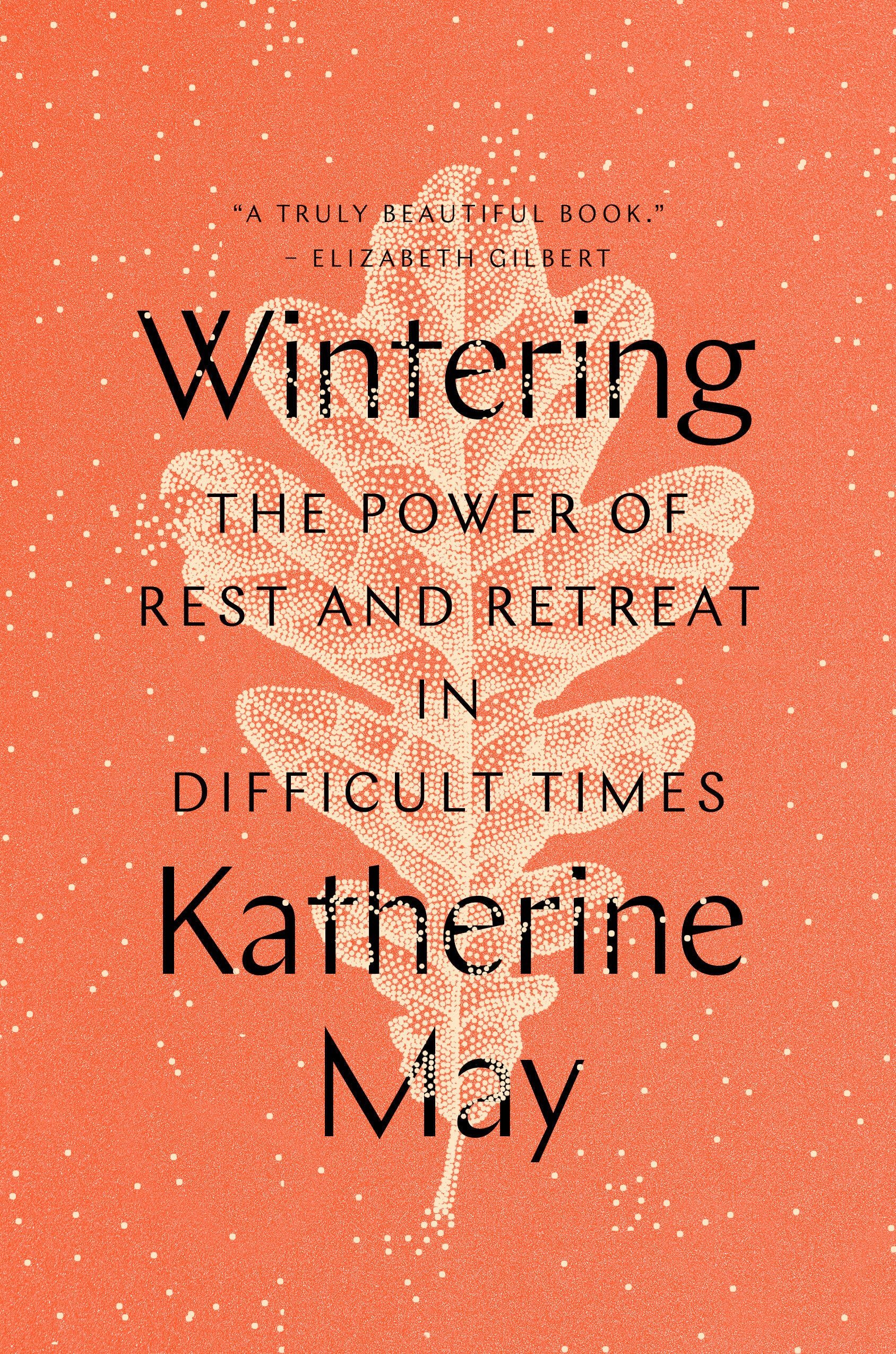
See more on Katherine May's website
Wintering: The power of rest and retreat in difficult times.
I’ve just begun to read this elegant memoir from New York Times’ bestselling author Katherine May. It’s exquisite. Here’s the blurb from the back cover by Elizabeth Gilbert: “Wintering is every bit as beautiful and healing as the season itself. Katherine May thoughtfully examines the emotional, spiritual, and geographical reality of the cold times, the dark days, and those periods of our lives when things are neither soft nor easy. In so doing, she offers a great and humane service to her readers: she shows us that wintering cannot be avoided, but need not be feared. This is truly a beautiful book.”
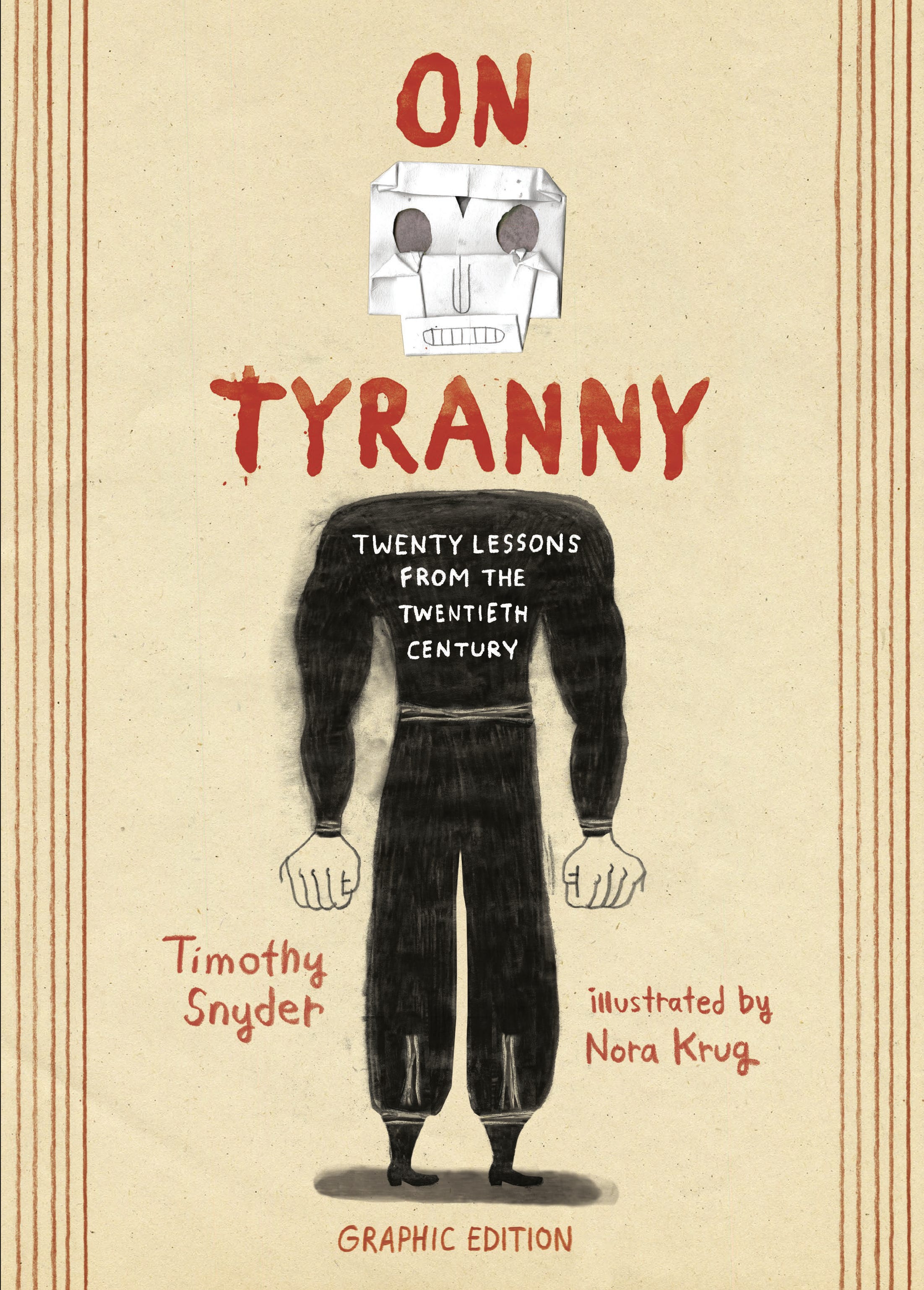
See more on Timothy Snyder's website
On Tyranny: Twenty Lessons from the Twentieth Century
I gave away this graphic edition of On Tyranny and its lessons drawn from history on how to defend democracy to friends this past holiday. It’s a clear articulation of what tyranny looks like and how to respond. Curious about what the twenty lessons are? Click below. Timothy Snyder just posted them on his Substack:

Bravo, Joan! What a great piece. And such an appropriate quote by Toni Morrison. I'm going to cut and paste it as a reminder.
I agree. My first career was in market research, and if there was one thing I learned it was that no opinion was unanimous. These days, if I see “all, everyone, or everybody,” in my writing or when editing someone else’s, I remove it immediately. It’s a sign of being dogmatic and I never want to be that!